

BC Budget 2026: Opportunity, Pressure and What It Means for Burnaby Businesses
Victoria, BC — Burnaby Board of Trade President & CEO Angie Whitfield and Economic Development and Policy Manager Denan Kuni were in Victoria today for the provincial Budget 2026 announcement, participating in stakeholder briefings and reviewing the details to better understand the impacts on Burnaby’s business community.
At a high level, Budget 2026 prioritizes protecting core public services while advancing targeted investments aimed at strengthening B.C.’s economy. For Burnaby employers and entrepreneurs, the budget presents a mix of opportunity and concern. Investments in skilled trades training, strategic major projects, and manufacturing signal support for key growth sectors. However, the scale of the provincial deficit, rising debt pressures, and new cost impacts for businesses will require careful monitoring.
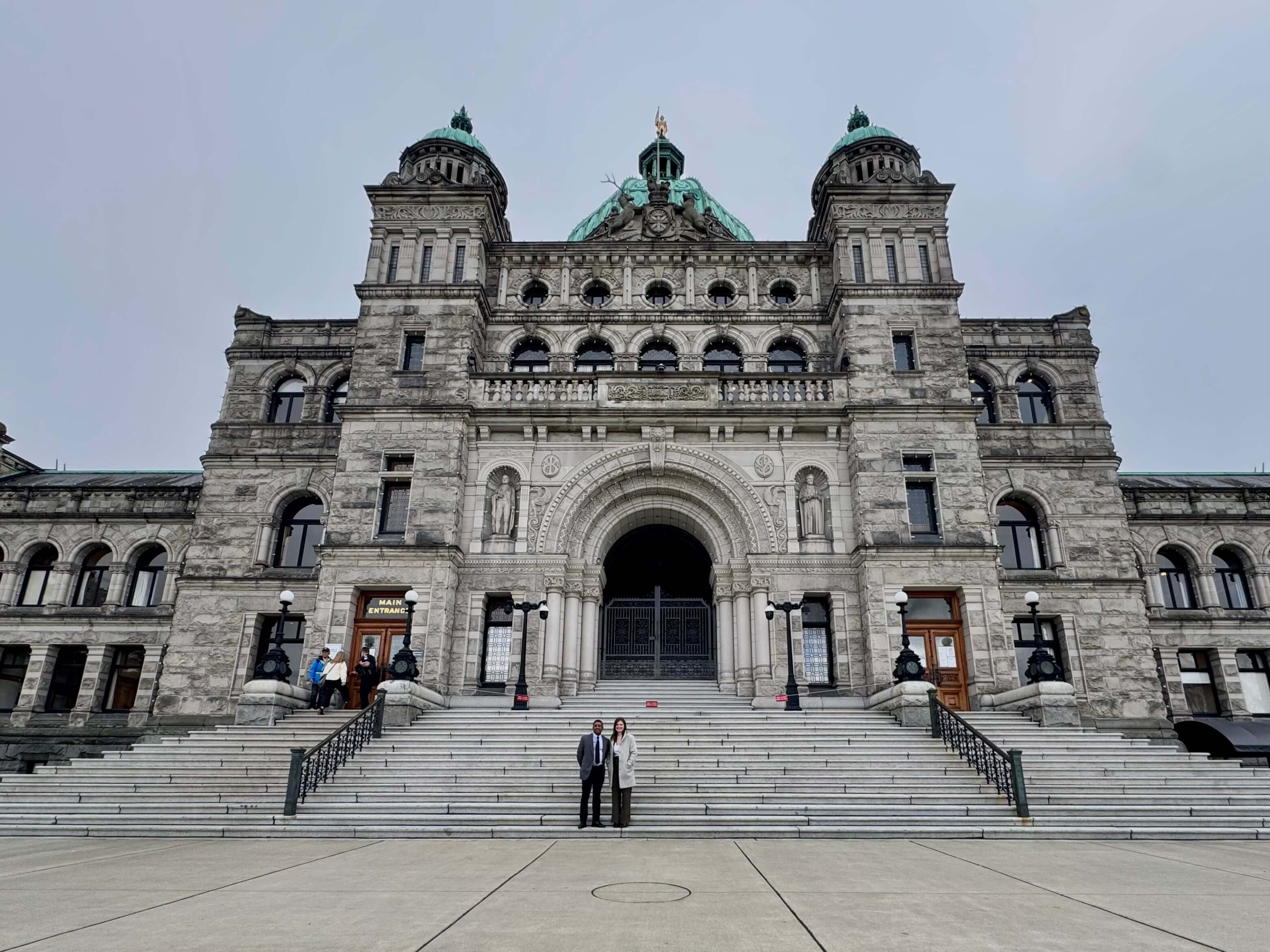
“Budget 2026 reflects the difficult balancing act facing government today, protecting essential services while responding to economic uncertainty,” said Angie Whitfield, President & CEO of the Burnaby Board of Trade. “We welcome investments that support skilled trades, clean technology, and manufacturing, as these are critical to Burnaby’s future growth. At the same time, the size of the deficit, rising debt costs, and new expenses for small businesses reinforce the need for a clear long-term economic strategy that supports competitiveness and investment.”
The Burnaby Board of Trade will continue to advocate for policies that strengthen economic growth, support workforce development, and promote long-term fiscal sustainability on behalf of our members.
What Members Need to Know
Budget 2026 prioritizes health care, education, and social supports while introducing new measures aimed at strengthening B.C.’s economic competitiveness. The Province is also implementing program efficiencies and spending reductions, including efforts to streamline operations and reduce public-sector staffing levels by 15,000 FTEs within the next three year.
At the same time, the fiscal outlook remains challenging. The Province projects a $13.3 billion deficit in 2026–27, with cumulative deficits of nearly $37 billion over the next three years. Debt servicing costs continue to rise, placing increasing pressure on future government priorities.
Economic conditions remain mixed. Employment growth continues, but population decline, slower housing activity, and flat trade performance reflect ongoing uncertainty for businesses and investors.
Positive Signals for Business and Economic Growth
BBOT is encouraged to see several investments that align with Burnaby’s key sectors and workforce priorities:
Support for Manufacturing and Investment
- A new temporary 15 percent Manufacturing and Processing Investment Tax Credit will support businesses investing in buildings, machinery, and equipment, helping improve productivity and competitiveness.
Strategic Investment Fund
- A $400 million strategic investment account aims to attract federal and private investment and strengthen sectors such as clean energy, sustainable manufacturing, and clean technology.
Skilled Trades and Workforce Development
- $283 million in new funding will expand trades training and apprenticeship opportunities, including increased employer training grants and specialized education streams in high-demand fields such as engineering and computer science.
Areas of Concern for Burnaby Businesses
While the budget includes positive economic measures, BBOT is concerned about several issues that may impact local businesses and long-term economic stability.
Historic Deficit and Rising Debt Costs
- The Province’s deficit is projected to grow significantly, reaching $13.3 billion in 2026–27, with debt levels increasing over the fiscal plan. Debt servicing has grown to the point that it would be the Province’s fourth largest “ministry” by spending, reflecting the scale of current fiscal pressures.
New Costs for Small Businesses
- Budget 2026 expands the PST tax base to include professional services such as accounting, architecture, engineering, commercial real estate, and security services. For many Burnaby businesses, this represents an additional cost pressure at a time when operating expenses remain high.
Strategic Sequencing of Major Capital Projects
- BBOT notes the decision to re-pace several infrastructure projects, including Phase 2 of Burnaby Hospital and Cancer Care. While fiscal discipline is important, delays to major health infrastructure raise concerns about future costs and timely delivery for growing communities.
Tax Changes
- The increase to the first provincial income tax bracket is modest, estimated at approximately $76 annually for the average taxpayer, with some relief through the enhanced tax reduction credit. However, cumulative tax changes and cost pressures remain top of mind for employers and workers alike.
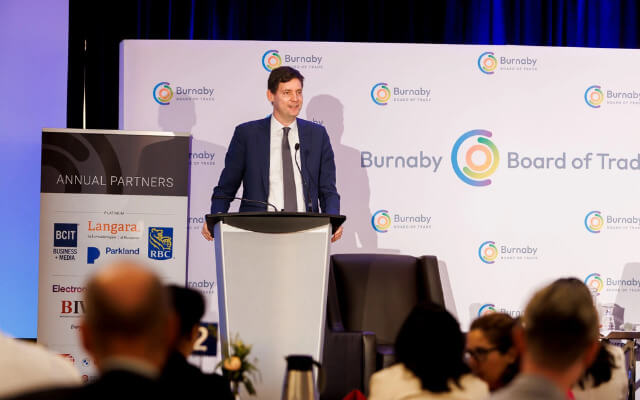
Following the release of the provincial budget, the Burnaby Board of Trade is proud to welcome the Honourable David Eby, Premier of British Columbia, on March 13th, for an exclusive post-budget economic address to the Burnaby business community.
Gain firsthand insights as the Premier outlines the government's legislative priorities for the year ahead and what they mean for you, your business, and our local economy.
Join fellow business leaders and community stakeholders for this timely and informative event, and hear directly from the Premier about the path forward.
Don't miss this opportunity to stay informed, engaged, and connected.